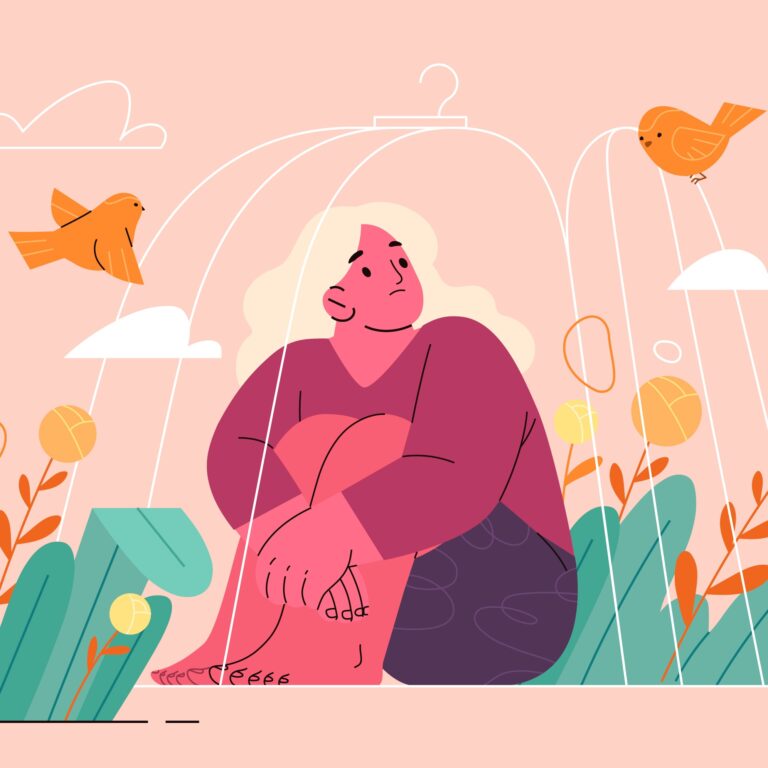
How Stress is Actually Good For You: Changing the Perspective

Stress does not have to be unhealthy, it can actually help you – if you know how to use it

Stress is good for you. That is basically psychologist Kelly McGonigal’s message. In the book ‘The Upside of Stress‘ she writes about the concept of stress and how it can actually help us instead of just hurting us. It took me a while to get my brain to actually grasp that concept. Because how can stress be good for you when tons of research shows that it is not good for you at all?

We all have heard it before: stress causes bad things like insomnia, headaches, irritability and even things like heart disease and depression.

Researchers have even been finding out that stress can increase your risk of getting cancer, due to its connection to inflammation in the body. And that is only a small part of all the bad consequences of being too stressed.

So that crippling mental pressure being good for you sounds like a wild statement to make.

But Kelly McGonigal stands by her statement. And after reading her book and watching her TED Talk, so do I. Because for years, we’ve been telling ourselves to be less stressed. To deal with our worry whichever way we can – just to get rid of it. Because stress is making us sick.

Well, it turns out that those messages we’ve been absorbing about mental tension are way more harmful than the feeling of stress itself.

And that is why I think we should embrace it. Cause stress can actually really help you.

* Free wallpaper download * Free wallpaper download * Free wallpaper download

* Free wallpaper download * Free wallpaper download * Free wallpaper download

My Substack

In the background is an illustration of a woman with red hair, looking back at the camera, wearing jewelry and makeup. Over the image the words "This is why your 'preference' in women might actually be a misogynistic beauty standard – how your innocent preferences could be perpetuating harmful beauty standards" are written. It also says "Image credits: Freepik" and "solelythriving.substack.com".

Some of my art

Join the community

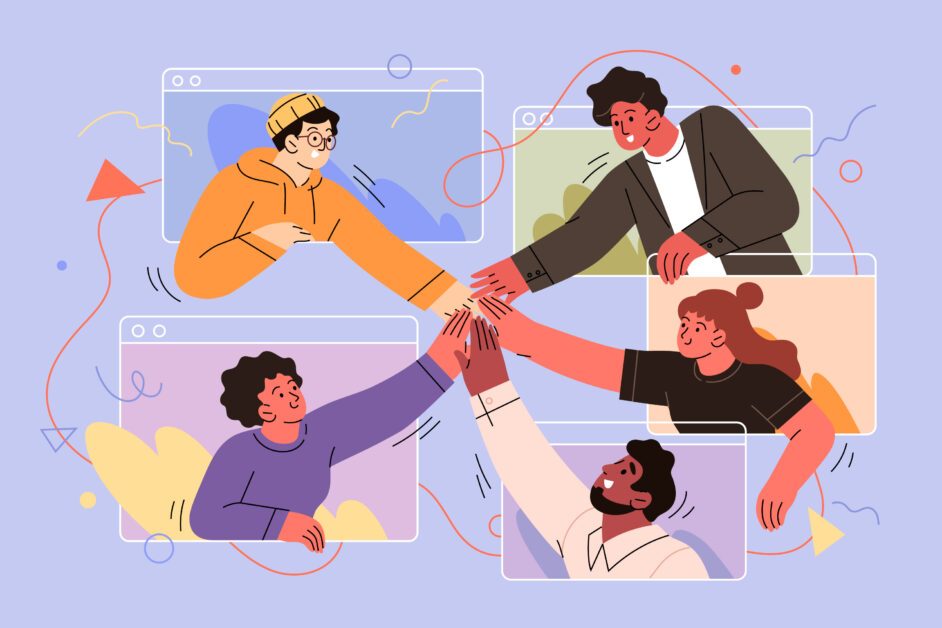
illustration of different people reaching for each other out of browser screens, holding hands

Image: Freepik

WHAT IS IT EXACTLY?

I always want you guys to leave smarter than you were when you first came to this page. So first we’re going to talk a little about the science of it all. Because if you Google it, you can find a simple definition of the word ‘stress’: something general about mental strain or pressure. But that doesn’t explain what stress actually is.

You’re probably familiar with the stress response: the good ol’ ‘fight-or-flight’ reaction that we all have inherited through our less luxuriously-living ancestors. This response is a survival-mechanism that helps us survive through life-threatening situations. Your fight-or-flight (and freeze and fawn) response helps you get out of situations alive. Or at least helps give you a chance at survival.

When you’re in a situation that could possibly be life-threatening, you either fight, freeze, flee or fawn. That response exists to make sure you fight, trick or outrun the predator you’re facing. And that, of course, comes in handy at times.

This is how it works: you perceive a possibly threatening situation. That visual input reaches your brain where your amygdala – that emotional part of your brain – sends out a signal of distress to your hypothalamus, which is basically your control center. Your hypothalamus springs into action, getting the rest of your body on board. Your nervous system gets fired up, your heartbeat increases, your muscles get ready to move – or not. And all of the bodily functions that have nothing to do with the task at hand, shut down.

So, there’s a lot happening when you find yourself in a stressful situation. But here’s the thing: our ancestors had a lot more things to actually be scared of than we have in our rich, western lives*. And that means that in this day and age, our stress respons is considered a little overdramatic.

(*For the sake of the explanation, I’m not taking into account the threats we as women face from male violence. But of course, there is a difference in the number of stressful experiences we have and what that means for our bodies and mind)

SENSITIVE STRESS RESPONSE

We’re not living with predators around us that try to kill us. The most stressful thing we experience on a daily basis is probably messing up at work. Or someone loudly and obviously not liking us (I got stressed just thinking about it).

But according to traditional views on stress, we respond to those situations the exact same way we would as when we encountered a snake in the woods. Our stress response wouldn’t know the difference between an actual threat and the day-to-day things that happen to us all. Meaning that our flight and fight response would also spring into action when we do something mundane like tripping over our own feet.

That means we’re always way too stressed for the task at hand. Cause if we’re not fighting for our lives, why would we need our heart rate and blood pressure to increase? If we’re not getting ready to get away, why would we need our muscles tense, geared up and ready for running?

This is exactly why scientists have always said that stress isn’t good for you: you’re doing way too much compared to the problem you’re facing. And in this day and age, we’re constantly faced with ‘threats’ like these. The number of times you experience stress during the day just because you said something embarassing, tanked a meeting or ’cause you’re meeting new people at a party that you didn’t really want to go to… There are a lot of stressful triggers in our lives that cause our fight and flight response to keep our minds and bodies on edge.

And being on edge 24/7… that is just not healthy for you.

But according to new research, it is also not true.

How to Maintain Healthy Relationships While Struggling with Anxiety

It is really hard to actually maintain relationships while also struggling with anxiety. Or any...
WHY STRESS IS GOOD FOR YOU

Apparently, our brains do know the difference between being chased by a bear and farting in public. The stresses we face in this modern age don’t elicit the same response as the threats that our forefathers dealt with, did. Scientists thought that because a bunch of animals in a lab did respond that same way, we would too. But our stress got more modern, just like us. And those modern responses are not as bad for us as the constant fight-or-flight response we would use when fighting for our lives.

That is why psychologist Kelly McGonigal talks about stress like it’s a good thing. Like it is something that can actually help you and that you can use in order to become more successful.

We already know there is a sweet spot: when you’re too stressed, you will be crippled by your nerves. And that almost always results in a slip up.

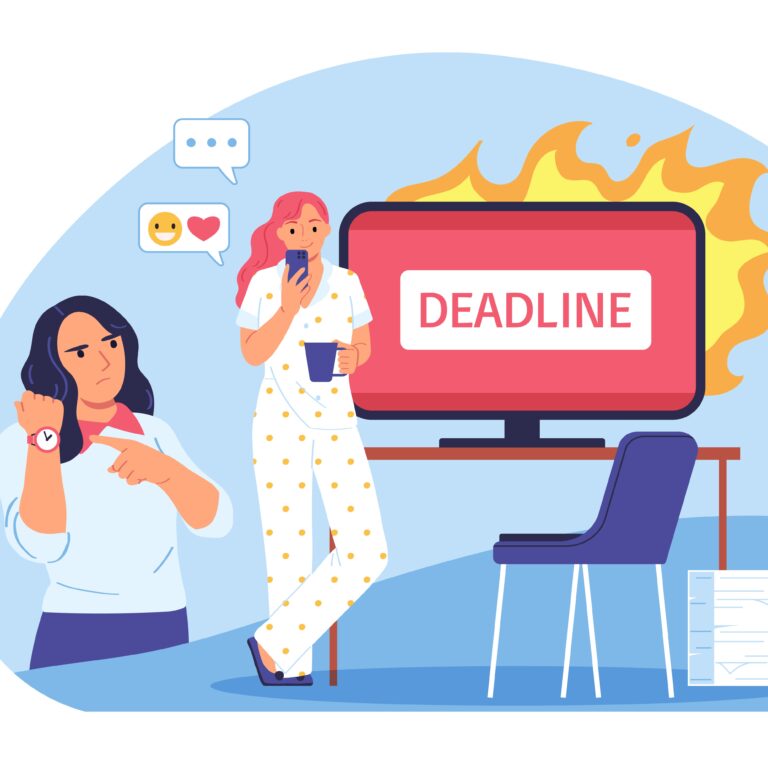
But when you hit that perfect level of stress you can actually benefit from it; the right amount will spring you into action and will help you tackle the task at hand. Just think about it: whenever you did your best work, there was always a certain level of stress involved. Call it a deadline, expectations, someone depending on you to finish whatever you’re working on; it can be caused by different things but the feeling stays the same: it’s mental pressure we put on ourselves when we feel like we’re being threatened. And that mental pressure, when applied in just the right amount, is helping us thrive.

If something can actually help you reach goals and grow, then it can’t be all bad, right?

And it isn’t! Stress hormones actually help your body rebuild cells, synthesize proteins and build up your immunity. It makes your body healthier and stronger than it was before you felt stress. Physiological thriving is what it’s called. And thriving is what we do around here.

That is why we’re going to learn how we can use stress to our benefit. How we can embrace it and actually master our stress. Instead of being a servant to it.

YOUR THOUGHTS ARE HURTING YOU

I mean, the statement above isn’t that surprising. My thoughts are always the ones hurting me, so this is nothing new. But I used to think that the stressed-out thoughts themselves were the ones hurting me. And while too much stress probably isn’t good for you either, feeling stressed isn’t bad by definition.

Stress is only bad when you believe it is.

To use stress to your advantage, you first have to accept a kind of tough truth: thinking about how stressed you are and how bad that is for you, is what’s stressing you out the most. Not the stress itself. We already established that there are different types of stress and that the ‘regular’ type of stress isn’t hurting you as much as you thought it was. But by giving it that much power, you are limiting yourself. And you’re doing your stress a disservice.

Because stress is inevitable. There will always be stress. And it is actually a very natural response. Your mind knows there’s a challenge ahead and your body will react accordingly. Avoiding stress causes a whole lot of new problems. That’s like forcing yourself not to feel hunger (that was a little jab at diet culture). When you try and avoid stress, you’ll end up in a situation where you can’t interact with friends, with your place of work – basically, you won’t be able to interact with the whole outside world. And isolation definitely isn’t good for you.

So, avoiding stress altogether is not te solution to the problem and might actually make things worse. Why not try and use that inevitable feeling of ‘HELP’ to our advantage?

EXAMINE YOUR STRESS

Stress is your best friend. You only need to accept that it is.

And you can use stress to your advantage with a so-called stress-is-enhancing mindset. Researches have found that people who embrace stress are healthier with less symptoms of depression and anxiety. These people, who see the upside of their mental load and embrace it, are doing pretty well. Their performance at work is better, they have more energy and they’re pretty content with the lives they’re living. The stress-is-enhancing mindset means you see stress as an opportunity for growth instead of seeing it as something that is debilitating.

But how do we switch to this better version of feeling stressed?

There are a few techniques that McGonigal shares with us. And it starts with visualizing a recent experience that was stressful for you. While thinking of this particular stressful situation, you pay attention to three things:

How to hack women’s everlasting struggle with motivation

Do you struggle with motivation and with sticking to the goals you set? Me too. In this blog I’ll...
1. NOTICE YOUR BODY

First, pay attention to what is happening in your body: do you feel your heartbeat rising, your palms getting sweaty? Your senses heightened? Those feelings might feel debilitating and overwhelming. But you can reframe them in such a way that they become a positive: your body is getting ready to help you. It is not working against you, or trying to make you feel like your world is crashing down. Your body is working hard to let you know it is ready for whatever challenge we’re facing. And that is pretty exciting!

2. NOTICE YOUR SOCIAL CRAVINGS

Do you feel the need to talk to others and discuss the things you’re feeling nervous about? Were you paying more attention to others’ emotions in that moment? Your stress is actually helping you become more connected to the people around you. That is called a ‘prosocial reaction’ and it is a pretty normal modern stress response. Your stress isn’t out to get you. It wants you to protect your community, to find connections and to support the people you love.

3. NOTICE YOUR PROGRESS

Were you stuck in a loop of overthinking after the dust settled, feeling overwhelmed still? Did you feel the need to find reassurance from an outsider to see whether or not you responded the right way? You can see this as a bad thing: your stress haunts you even when the stressful event has already passed. But what if you reframed this to an experience of growth? Your stress is helping you process your experience to learn from it. You’re working through what happened, trying to find ways in which you can improve and do better next time. Your stress is helping you become a better person.

HOW TO USE THE STRESS POSITIVE MINDSET

Of course, having a positive relationship with stress isn’t the endgame. We want to learn how we can use stress to our advantage. And according to researchers Alia and Thomas Crum, there are three simple steps that can help you use your stress instead of being completely at the mercy of the pressures we face every day and all day.

Trusting Your Intuition is Actually a Massive Act of Resistance

Have you ever wondered why trusting your intuition is so dang hard? There is a very clear reason why...

1. SEE YOUR STRESS

First, you need to acknowledge that you are feeling stressed. Tell yourself why you’re feeling this way: what is currently causing you to feel stressed? According to neuroscience, this small step can already make you feel like you’re more in control. When you let stress stay in your subconscious, you’ll probably respond to it in a more visceral way. When you acknowledge and name your stress, you’ll be able to respond to it consciously. If you have trouble recognizing your stress response, mindfulness and meditation might be able to help you with that. I have written a blog about this; you can find it right here.

2. SWITCH YOUR MINDSET

This is where it gets really interesting. Because this is what makes the difference between being in control of your stress or being controlled by it. When you have successfully identified your feeling as stress, you now have to own that feeling. Realize that it is there and that it is okay. Try to apply the different perspectives I mentioned above and remind yourself that you feel stressed because this particular thing is important to you. And that means it’s worth it. This will provide you with a sense of motivation and purpose that helps you prepare for the task at hand. It might take the edge off of the stress you feel and create a ‘just the right amount of stress’-type of situation. So, the only logical next step is to…

3. USE YOUR STRESS

Reframe this stress response and create a feeling of excitement instead: what you’re about to do is something really special and the start of something new. Research has shown time and time again that reframing your feelings of stress will cause you to perform better. And that is exactly how we stop feeling anxious because of our stress; the ultimate goal.

LIFE IS NOT THAT EASY

And of course, there are situations where it’s not as cut and dried. Sometimes stress is a long-term and inevitable part of your life. When you have chronic health issues or when you’re in an abusive relationship, stress is an unwanted companion that shadows you everywhere you go.

Or when the whole system is stacked against you, which threatens your health, wealth and safety…

But even in those situations, you can use the previous steps mentioned to take some of the edge off. Because your experiences have shaped you. Your stress has kept you alive this long. And even though you shouldn’t be in that situation in the first place, your stress response is what helps you stay resilient.

Even though it seemed like it only kept you up at night.

This is not a call to be ‘grateful’ for what you have. But it is a call to reframe your attitude towards the stress that you can’t seem to get rid of. Because in a situation like that, stress is going to be there. You can’t fight it off.

So you might as well try and fight with it.

Writing: much love, Wendy