




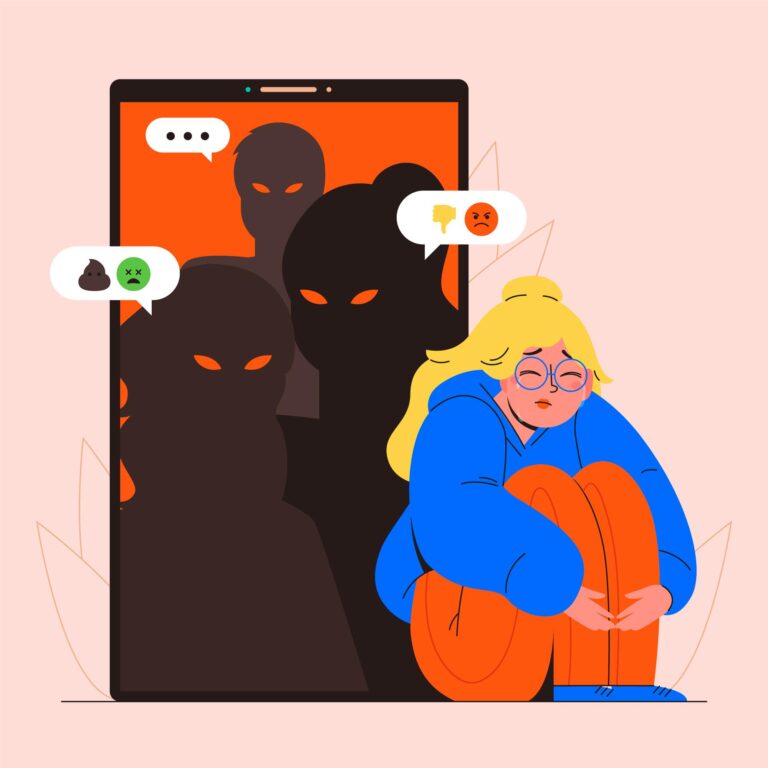
Divisive people aren’t the problem, our focus on the messenger is

The divide is caused by ignoring problems, not by bringing them to light

“People are being too divisive” – a statement I’ve been seeing a lot lately. People are upset about the fact that the status quo gets challenged but, most importantly, they’re upset about the way that the status quo gets challenged; they complain about divisive people and the tone seems to overshadow the message. But is the topic of human rights one that should be discussed ‘nicely’?

I have been noticing a switch these past years. Something that has probably popped up time and time again. Whenever a dividing issue is ‘trending’. When I express frustration or voice my opinion with passion, people come in with: “aren’t you supposed to be kind?” Because my social media bio says I’m all for kindness, people expect me to always treat them with silk gloves.

To always have the right words and to be friendly in my approach.

They mistook kindness for niceness. And while doing that, they say that only with that specific type of “kindness” will I achieve the goal that I’m advocating for.

That only because my tone isn’t ‘just right’, I don’t deserve the very thing I demand.

* Free wallpaper download * Free wallpaper download * Free wallpaper download

* Free wallpaper download * Free wallpaper download * Free wallpaper download

My Substack

In the background is an illustration of a woman with red hair, looking back at the camera, wearing jewelry and makeup. Over the image the words "This is why your 'preference' in women might actually be a misogynistic beauty standard – how your innocent preferences could be perpetuating harmful beauty standards" are written. It also says "Image credits: Freepik" and "solelythriving.substack.com".

Some of my art

Join the community

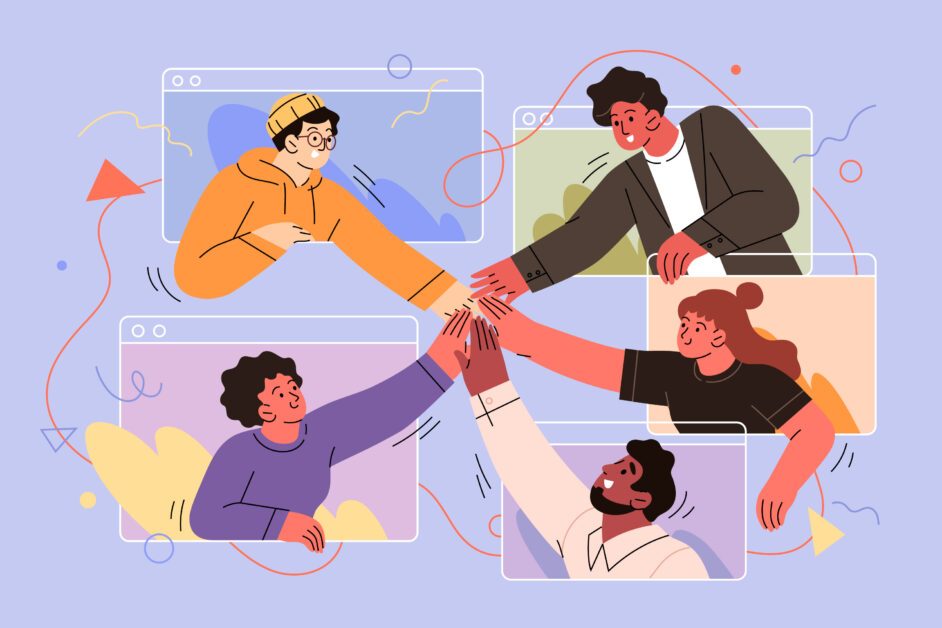
illustration of different people reaching for each other out of browser screens, holding hands

Image: Freepik

Confronting divisiveness

If you’ve been present and voicing your concerns in online spaces in a demanding tone, you’ve probably heard the same thing. “You’re doing more harm than good” or “you’re being divisive and pushing your allies further away”, “If you just asked nicely, then…”.

The call for an end to the division is coming from everywhere – and I get it.

Because it can be really uncomfortable to have to sit with something that might be about you. To listen to someone listing things that you might be complicit in. And the knee-jerk reaction to that discomfort is usually to fight it. To distance ourselves from it and to make sure our ego doesn’t have to face it.

Because facing it is hard.

And that is why we tend to look for ways to deflect the conversation. It is the same with literally every ‘divisive issue’ we face. We chastise the bearer of bad news because we don’t like their tone. Meanwhile the message itself is drowned out. And doesn’t get the much-needed attention it deserves.

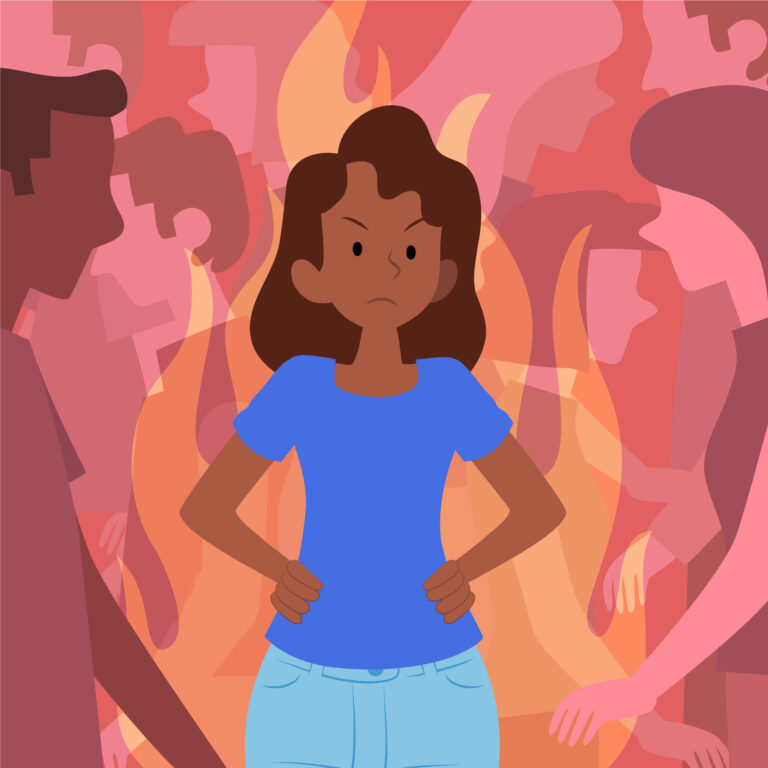
But what these ‘neutrality’-warriors seem to forget is that anger doesn’t just appear out of thin air.

When we speak about an issue with fury, it means that we have been pushed to that point by a complacent world. When we yell “men are killing us”, we have been forced by our circumstances to scream instead of whisper.

Because back when we were still asking nicely, you didn’t hear us either.

When Disgusting Jokes and Scare Tactics Become One

When Disgusting Jokes and Scare Tactics Become One Is it really still a ‘joke’ when...
There will always be division

Meanwhile men can jokingly declare ‘Your body, my choice’. They make crass comments, say whatever the hell they want and become the president of the United States.

We demand marginalized groups ask nicely and stop being divisive while the rudest and loudest men climb to the highest positions of power. So, is it really about the way the message is framed? Or is it about our own egos and the fact that we don’t deem the memo important enough to care?

Why does the white patriarchy require us to please the majority in order to be granted the bare minimum? Because if we grovel, if we get on our knees and beg, I believe that we still wouldn’t get what we want. And the interesting thing is that if I did ask nicely, there would still be sixty people telling me I’m either not doing it right. Or that I’m not using the correct words and I’m still being divisive.

Dita Von Teese said: “You can be the ripest, juiciest peach in the world, and there’s still going to be somebody who hates peaches.”

So, my question is: why are we not looking at the issue itself instead of blaming the messenger?

The real divisive people

It is not surprising that a lot of the people fighting for basic human rights are done with playing nice just so they can finally receive the decency other people get for just being born.

I myself am over waiting patiently until white cis men see the problem to finally realize they shouldn’t be a part of it. You are demanding that women change their tone so that you feel comfortable enough to actually become part of the solution?

That is doing more harm than good.

By organizing men into some man-centered group that actively works against the cause – the only purpose of this group being to make women’s lives worse – you are doing more harm than good.

By acting like women first have to be the perfect victims before we ‘deserve’ the common decency we ask for, you are doing more harm than good.

You are being the divisive one by turning away from someone in need. Just because they didn’t plead the right way? The fact that people ask for equal treatment isn’t the divisive part. You ignoring their request and hating on them for asking, is.

Divisive people and allies

Especially after the disastrous election results, the talk about how liberals ‘push’ their own ‘away’, is everywhere. People are angry because the ‘progressive left’ wants them to be perfect and everyone plays the blame game.

I agree that we should be having productive conversations about all the different subjects that need to be discussed. That we should hold each other accountable in respectful ways. And that we should still allow people to make mistakes and come back from them without the fear of getting ‘cancelled’.

But there has to be a limit to reason.

When the conversations have been civil and the requests have been made, when are we actually allowed to be angry? Especially when people are dying in the process and there is no time to ‘built up to it’? We’re fighting each other and we are chasing our allies away.

But if you let yourself get ‘chased off’ to the side of blatant hate, were you even an ‘ally’ to begin with?

Racism, misogyny and every -ism in the book is always the easy way out. Because it is the status quo. As a white cishet man, you literally wouldn’t have to change anything to fit in. Doesn’t that sound like a dream?

The only sacrifice you’re making is that the rest of the world suffers because of it.

The real allies are the ones who stick around. Those who sit with discomfort. Who face the music that is written with the pain of the people who have been trying to make their voices heard for decades and centuries. And if you’ve had to wait that long for some human decency, you are going to be angry. Kindness can be angry.

Actually, sometimes kindness should be angry.

Especially if that’s the only way someone will listen.

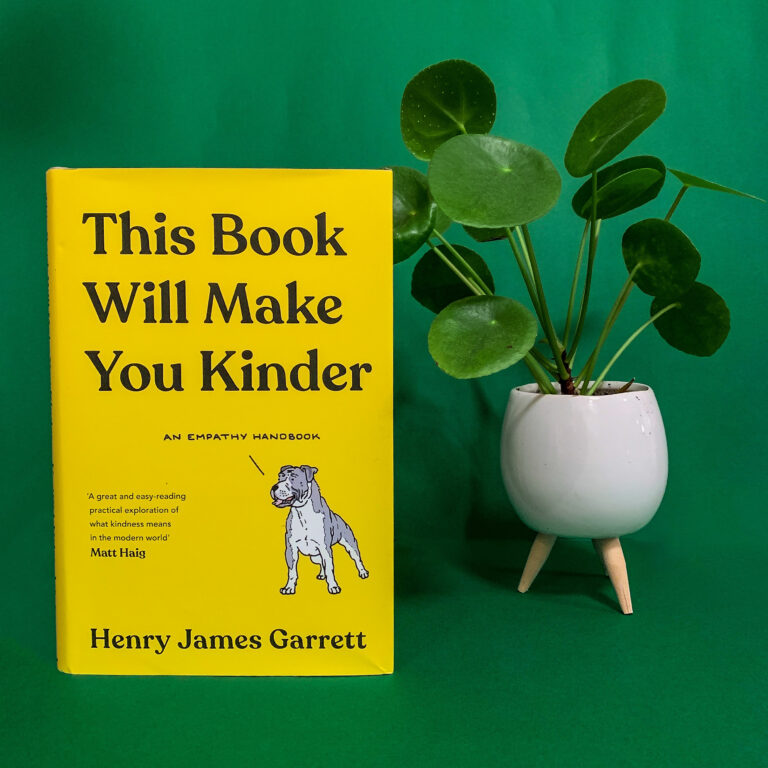
This Book Will Make You Kinder: discover your own special superpower

Right when it came out, I read ‘This Book Will Make You Kinder’ by Henry James Garrett. I expected...

Don’t shoot the messenger

The way we perceive a message shouldn’t be about the person delivering it. If we truly want to approach people with kindness and want the world to be a better place for all people, then it shouldn’t matter what the wrapper looks like; the contents are the real gift.

Isn’t it wild that this is where we’re currently at?

That we’re hearing someone beg to be treated with dignity or even for healthcare that can save their lives, and we dismiss them because they didn’t grovel before us?

Is that what allyship looks like? It seems to be the current reality we live in. And that should make you sad.

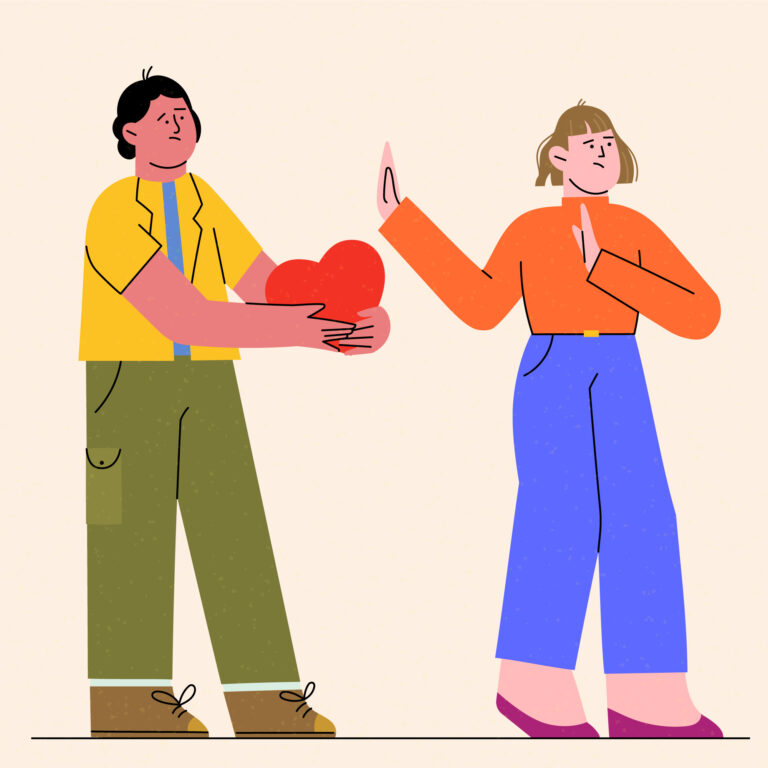
I say “please stop hurting women”. 

You say “you didn’t ask us right”

Writing: much love, Wendy